
Engineering brief
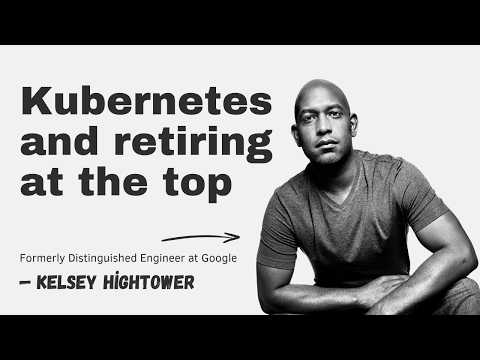
Kubernetes and retiring at the top with Kelsey Hightower
The Brief
Docker made Kubernetes inevitable. Hightower’s career shows impact > activity, feedback loops matter, AI hype needs strategic skepticism.
Decision relevance
Read this for workflow impact, implementation trade-offs, and the claims that need technical scrutiny before they reach team planning.
Summary
Kubernetes’ dominance wasn’t just orchestration genius. Docker had already won the packaging war, standardizing deployment artifacts and eliminating the language/runtime debate. The engineering management takeaway: invest in delivery standardization to slash coordination costs.
Hightower’s early career exposes a critical leadership blind spot—mistaking activity for impact. At a hosting company, he stopped answering calls and focused solely on resolving tickets, driving the queue to zero. The lesson: measure outcomes, not effort. Too many teams reward responsiveness over actual resolution, creating hidden bottlenecks masquerading as productivity.
His move into financial services illustrates the speed-governance tradeoff. Automation remained powerful, but the cost of failure demanded patience, relationships, and rigorous change windows. Leaders must calibrate autonomy to the cost of errors; in high-stakes environments, trust and process beat cowboy agility.
Hightower’s stance on AI is a needed antidote to hype. He treats GenAI as a tool, not a replacement, and warns against naive promotion. The real risk is strategic misapplication, not job loss. The episode’s sponsor pitch for declarative testing to match AI coding speed reinforces the point—adoption without overhauling verification creates a fragile delivery pipeline.
Why It Matters
Standardization (Docker) unlocked Kubernetes. Career proof that measuring output, not busyness, and strategic AI skepticism prevent wasted effort.
Editorial analysis
Key claims
- Standardize artifacts. Reward impact over activity. Treat AI as a tool, not a miracle.
Practical use cases
- Use this as input for tooling evaluation, workflow planning, and technical due diligence.
Risks / caveats
- A+ certification nostalgia; early odd jobs are color, not actionable leadership signal.
Who should care
- Engineering managers, tech leads, and CTOs evaluating AI or developer tooling decisions.
Related topics
Bottom Line
Standardize artifacts. Reward impact over activity. Treat AI as a tool, not a miracle.
Watch
This video is blocked due to your privacy settings. To watch this video, please accept YouTube marketing cookies.
Related breakdowns
AI Agents Won't Fix Your Shipping Bottleneck
OpenCode's founder: AI makes coding feel faster but doesn't accelerate shipping. Real bottlenecks are human judgment, not code generation.
How to Build an AI-Native Services Company
A short briefing on the practical engineering implications, trade-offs, and claims worth ignoring.
GitHub’s Agent Era: 14x Commits, 200M Developers, Copilot’s Next Act — Kyle Daigle
A short briefing on the practical engineering implications, trade-offs, and claims worth ignoring.
Get TL;DW
Too Long; Didn't Watch.
A concise breakdowns of the AI and devtools videos that actually matter for engineering leaders.
Free. Weekly. No hype.
Video and thumbnails remain the property of their respective creators. tldw.news provides editorial analysis, commentary, and discovery links to original content.