
The Brief
Most engineering leaders obsess over architecture and velocity, but the real threat to your product's longevity is governance rot. Eric Ries argues that the default Delaware C-Corp is optimized for shareholder extraction, not mission survival. His actionable signal: audit your incorporation docs for provisions that could let a future board fire you or sell the company for a quarterly bump. Legal structure is infrastructure — treat it like one.
Decision relevance
Read this for workflow impact, implementation trade-offs, and the claims that need technical scrutiny before they reach team planning.
Summary
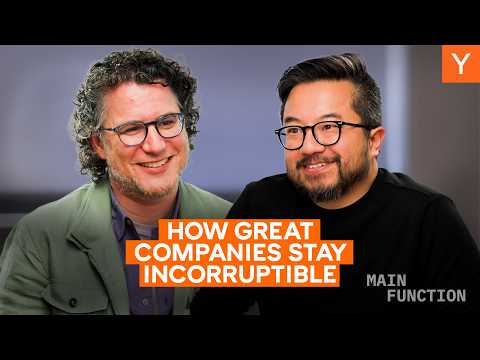
Eric Ries diagnoses a disease most technical leaders feel but struggle to name: the slow corruption of a company's original mission after it finds product-market fit. The threat isn't just market competition; it's the gravitational pull of shareholder primacy and 'best practices' that optimize a company purely as a financial instrument. The immediate practical takeaway for an engineering leader? Your brilliant architecture and velocity mean nothing if the legal and board structure you set up now allows an interim CEO to dismantle your mission for a quarterly bump. This isn't a manifesto against profit; it's a warning that poor governance creates a machine that extracts value instead of creating it.
The core argument is that the Delaware C-Corp's de facto obligation to maximize shareholder value is a historically recent and fragile 'normative consensus,' not a law of physics. Ries points to structural tricks—like Public Benefit Corporations (PBCs) and foundation-controlled entities—that act as an immune system against this rot. The Costco origin story is the case study: founder Sol Price was fired by his board, which then killed his company (FedMart) within seven years. He rebuilt the same principles into a fortress-like governance model that became Costco, one of the best-performing stocks in history specifically because it ignored standard governance advice.
The most actionable signal isn't to start a revolution; it's to audit your incorporation documents immediately. Check if your charter default forces you to sell to the 'most evil company in the world' or fire you for protecting long-term R&D over short-term margins. Ries argues the tools to resist this—like implementing a 'poison pill' defense or maintaining super-voting shares without a naive sunset clause—are available but underused because founders often outsource legal decisions they should treat as core product architecture. The talk underscores that trusting a VC's verbal assurance of being 'founder-friendly' is irrelevant if the LPA grants a future, unseen partner the right to fire you the moment they decide you've made a mistake.
Why It Matters
It reframes legal structure as a core engineering constraint, not just paperwork, that determines whether your technical architecture survives.
Editorial analysis
Key claims
- Your code's longevity depends on governance code. Treat legal structure as critical infrastructure.
Practical use cases
- Use this as input for tooling evaluation, workflow planning, and technical due diligence.
Risks / caveats
- The lengthy 19th-century canal-company history lesson is interesting color but not immediately actionable.
Who should care
- Engineering managers, tech leads, and CTOs evaluating AI or developer tooling decisions.
Related topics
Bottom Line
Your code's longevity depends on governance code. Treat legal structure as critical infrastructure.
Watch
This video is blocked due to your privacy settings. To watch this video, please accept YouTube marketing cookies.
Related breakdowns
The CEO Must Be the Chief AI Officer
A short briefing on the practical engineering implications, trade-offs, and claims worth ignoring.
Conductor CEO Charlie Holtz Walks Us Through His AI Coding Setup
A short briefing on the practical engineering implications, trade-offs, and claims worth ignoring.
How to Build an AI-Native Services Company
A short briefing on the practical engineering implications, trade-offs, and claims worth ignoring.
Get TL;DW
Too Long; Didn't Watch.
A concise breakdowns of the AI and devtools videos that actually matter for engineering leaders.
Free. Weekly. No hype.
Video and thumbnails remain the property of their respective creators. tldw.news provides editorial analysis, commentary, and discovery links to original content.