
Your AI analyst can't see what it doesn't have permission for
Trust comes from deterministic infrastructure, not model quality.
The gap between aspirational agent loops and production reality is still wider than vendors claim.
Architecture over models. Two production systems show trust is a plumbing problem.
Kepler's filter strips any number the model didn't write.
Bridgewater's permission-aware clustering avoids post-filter recall collapse.
Both build deterministic constraints into the search and compute layer.
Segment tasks, not models. Kimi K3.1 Pro is a cost sweet spot for routine coding but fails on complex multi-step tasks.
Browser agents fill API gaps but introduce forked Chromium maintenance and antibot cat-and-mouse.
The pattern: match model capability to risk, not hype.
Agent loops are speculative. The build-the-loop vision assumes telemetry maturity few organizations have.
Production systems limit agent scope to deterministic steps with human verification.
Always-on auto-fixing agents need stronger eval trust and cost controls.
My take
I think the deterministic architecture work from Kepler and Bridgewater is the real signal today.
The agent loop pitch is aspirational, but the infrastructure to make it safe barely exists.
Smart teams invest in search that handles permissions and compute layers that guarantee traceability.
Let the agent hype mature while you build the foundation.
The videos behind this brief
We watched these so you don't have to.
 The architecture that makes AI stop inventing financial numbersAI Engineer
 Why Your AI Analyst Can't See Everything: The Permission ProblemAI Engineer
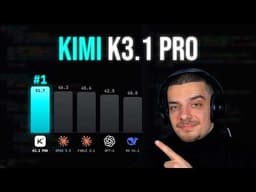 Kimi K3.1 Pro: Open-Weight Sweet Spot, Not Opus KillerNeuralNine
 Browser Agents: The Anti-API Workaround Your Team Needs to Budget ForAI Engineer
 AI Engineers: Stop Writing Features, Start Building the LoopAI Engineer
Video and thumbnails remain the property of their respective creators. tldw.news provides editorial analysis, commentary, and discovery links to original content.